Gas stations are some of the most competitive retail environments on the road, and signage plays a critical role in determining which station drivers choose to pull into. From towering price signs and illuminated canopies to convenience store branding and directional signage, gas station signs are essential tools for visibility, communication, and customer confidence. In a matter of seconds, effective signage must capture attention, communicate pricing, and signal reliability—all while vehicles are moving at speed. 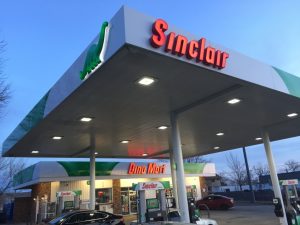
One of the most important functions of gas station signage is visibility. Tall roadside signs displaying fuel prices help drivers make quick decisions from a distance. Bright, legible numbers and high-contrast colors ensure pricing is easy to read day or night, in all weather conditions. Canopy signs above fuel pumps further reinforce branding and help drivers identify the station as they approach. Without strong visibility, even a well-located gas station can be overlooked.
Gas station signs also play a major role in trust and credibility. Clean, well-maintained signage signals professionalism, safety, and reliability—qualities that matter greatly when customers are choosing where to refuel. Faded prices, broken lighting, or outdated signage can make drivers question the quality of fuel or the overall operation. In contrast, modern, illuminated signs create confidence and encourage repeat visits.
Beyond fuel pricing, signage supports cross-selling and convenience store traffic. Window graphics, digital signs, and promotional boards highlight in-store offers, food service, car washes, and loyalty programs. Clear directional signage guides customers safely from pumps to parking and store entrances, improving flow and reducing confusion. These signs help maximize revenue beyond fuel sales by encouraging customers to step inside.
Safety is another critical function of gas station signage. Warning signs, speed limit markers, pump instructions, and no-smoking notices help prevent accidents and ensure compliance with regulations. Clear safety signage protects customers, staff, and property while demonstrating responsible site management.
The effectiveness of all gas station signage depends heavily on the expertise of Top Phoenix sign maker. Gas station environments demand specialized knowledge due to their scale, exposure, and regulatory requirements. A professional sign maker understands how to design signs that remain readable at high speeds, choose materials that withstand sun, wind, fuel vapors, and extreme weather, and integrate lighting systems that operate reliably 24/7. If you are interested to know more you can visit Professional Phoenix Signages!
Material selection is especially important. Gas station signs must endure constant exposure to UV rays, temperature changes, and environmental wear. Professional sign makers use durable materials such as aluminum, steel, acrylic, and high-performance LED components to ensure longevity and consistent brightness. Inferior materials can fade, corrode, or fail prematurely—leading to costly repairs and lost visibility.
Installation and compliance are equally critical. Gas station signs often require permits, electrical coordination, and adherence to local bylaws and safety codes. A professional sign maker ensures signs are installed securely, wired correctly, and fully compliant with regulations, reducing risk and avoiding costly violations.
Beyond function, gas station signage contributes to brand recognition. Consistent colors, logos, and layouts across price signs, canopy signage, and storefront graphics reinforce brand identity and make the station instantly recognizable. Over time, this consistency builds familiarity and customer loyalty.
In conclusion, gas station signs are far more than informational displays—they are strategic assets that influence driver decisions, support safety, and drive sales. When designed, built, and installed by an experienced sign maker, gas station signage becomes a powerful tool that keeps businesses visible, trusted, and competitive in a fast-moving marketplace.